
Shield Pest Management
Pest Directory
Shield Pest Directory
Shield Pest Control manages a wide range of pest issues across homes, commercial premises, food businesses, rental properties and industrial sites. From rodents and insects to birds, squirrels and moles, each pest requires a specific approach based on its behaviour, habitat, seasonality and the conditions attracting it to the property.
Our professional pest management service focuses on safe removal, prevention and long-term control. We identify how pests are entering, where they are harbouring, what is supporting the infestation and what practical steps are needed to stop the problem returning.
| Pest type | Typical locations | Seasonal relevance | Conditions they thrive in | Professional control approach |
|---|---|---|---|---|
| Mice & Rats | Kitchens, lofts, drains, bin stores, warehouses, food premises | More noticeable in autumn and winter | Food, warmth, gaps, waste, clutter, damaged drains | Survey, baiting, trapping, proofing, monitoring |
| Wasps & Hornets | Roof spaces, wall cavities, trees, sheds, gardens, outdoor dining areas | Spring to autumn, peak late summer | Nesting voids, sugary food, open bins, sheltered sites | Nest identification, safe treatment, access sealing |
| Ants | Kitchens, patios, gardens, food areas, wall gaps | Spring and summer | Sweet foods, crumbs, paving cracks, warm weather | Species ID, nest treatment, gels, proofing |
| Bed Bugs | Beds, mattresses, headboards, sofas, luggage, HMOs, hotels | All year indoors | Human hosts, fabric seams, cracks, travel movement | Inspection, heat/chemical treatment, monitoring |
| Flies | Kitchens, drains, bins, food sites, toilets, waste areas | Warmer months, but year-round indoors | Waste, moisture, dirty drains, spillages | Source removal, drain hygiene, fly screens, monitoring |
| Cockroaches | Commercial kitchens, plant rooms, basements, food premises | All year indoors | Warmth, moisture, grease, food debris, cracks | Monitoring, baiting, hygiene, residual treatments |
| Moles | Lawns, gardens, paddocks, sports grounds, golf courses | Often noticeable in spring and autumn | Worm-rich soil, soft ground, undisturbed lawns | Tunnel identification, trapping or specialist control |
| Squirrels | Lofts, roof spaces, wall cavities, outbuildings | All year, often nesting/cold weather related | Roof access, overhanging trees, damaged fascia | Removal, proofing, branch trimming, access sealing |
| Birds | Roofs, ledges, gutters, solar panels, commercial buildings | All year, nesting season critical | Roosting ledges, food waste, sheltered roofs | Legal assessment, proofing, netting, spikes, fouling removal |
| Silverfish | Bathrooms, kitchens, basements, utility rooms, damp storage | All year indoors | Humidity, leaks, poor ventilation, damp paper/card | Moisture control, treatment, ventilation advice |
Pest Knowledge Base: Commercial and Domestic Pest Management
Professional pest management is not just about removing visible pests. Effective control requires identifying the species, understanding why it is present, removing access to food, shelter and nesting areas, and applying safe, targeted treatment. Many common UK pests thrive because of building defects, waste issues, moisture, warmth, poor proofing, or seasonal behaviour.
The British Pest Control Association advises that pests can contaminate homes and workplaces, spread disease, damage property, get into foodstuffs and cause wider health and safety issues.
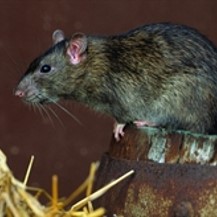
Mice & Rats
Where they are typically found
Mice and rats are commonly found in both domestic and commercial properties, especially where food, warmth and shelter are available. Typical locations include kitchens, food storage areas, bin stores, lofts, wall cavities, basements, garages, warehouses, restaurants, takeaways, farms, retail units and shared accommodation.
Rats are often associated with drains, sewers, gardens, external waste areas and building perimeters. Mice are more likely to nest indoors, using small gaps around pipework, skirting boards, cupboards and voids.
Seasonal relevance
Rodent activity can occur all year round, but problems often become more noticeable in autumn and winter as rats and mice seek warmth, shelter and reliable food sources indoors.
Conditions they thrive in
Rodents thrive where there is poor waste management, easy access to food, gaps in buildings, cluttered storage areas, overgrown vegetation, damaged drains, open bin stores and poor housekeeping. They can exploit very small entry points and quickly establish nesting areas in quiet, undisturbed spaces.
How professional pest management helps
Professional rodent control starts with inspection, species identification and locating entry points, harbourage and food sources. Treatment may include baiting, trapping, monitoring, proofing and sanitation recommendations. Long-term prevention focuses on sealing entry points, improving waste control, reducing clutter, inspecting drainage and maintaining good external housekeeping.
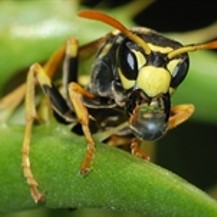
Wasps & Hornets
Where they are typically found
Wasps and hornets are commonly found around roof spaces, wall cavities, sheds, garages, trees, hedges, air bricks, soffits, fascia boards and garden structures. In commercial settings, they are often found near outdoor seating, food waste areas, beer gardens, bin stores, loading bays and roof voids.
Seasonal relevance
Wasps are highly seasonal in the UK. Nests usually begin developing in spring, increase in size through summer and become most noticeable from mid to late summer. Activity often peaks in late summer and early autumn when wasps become more attracted to sugary foods and drinks.
Conditions they thrive in
Wasps thrive where they can find protected nesting sites and regular access to food. Open bins, food waste, fruit trees, sugary drinks, outdoor dining areas and unsealed building gaps can all encourage activity.
How professional pest management helps
Professional wasp and hornet control involves identifying the nest location, assessing risk and applying an appropriate treatment safely. Nest treatment should not be attempted casually, particularly where nests are high, hidden in cavities or close to public areas. Prevention may include sealing entry points after the nest is inactive, managing waste correctly and reducing attractants around outdoor dining or commercial premises.
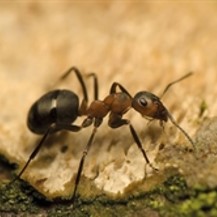
Ants
Where they are typically found
Ants are often found in kitchens, bathrooms, wall cavities, patios, gardens, paving, door thresholds, conservatories, commercial kitchens, cafés, restaurants and food preparation areas. They usually enter buildings while foraging for food.
Seasonal relevance
Ant activity is usually most visible in spring and summer when colonies become more active and food-foraging increases. Flying ants are most commonly seen during warm, humid summer conditions.
Conditions they thrive in
Ants thrive in warm weather, where there is access to sweet foods, crumbs, spillages, pet food, poor sealing around doors and windows, and cracks in paving or masonry. Garden nests can also spread towards indoor areas where food is available.
How professional pest management helps
Professional ant control identifies the species, nest source and access routes. Treatment may include targeted gels, residual insecticides, nest treatment and entry point management. Prevention includes cleaning food residues, storing food securely, sealing gaps and managing external nesting areas near the building.
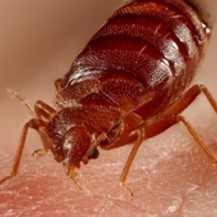
Bed Bugs
Where they are typically found
Bed bugs are usually found close to where people sleep or rest. Common harbourages include mattress seams, bed frames, headboards, skirting boards, bedside furniture, plug sockets, cracks in walls, carpets, sofas and luggage.
They are particularly relevant for hotels, guest houses, HMOs, student accommodation, care settings, rental properties and high-turnover accommodation.
Seasonal relevance
Bed bugs can be active all year round because they live indoors. However, infestations can become more common or more noticeable during periods of increased travel, guest turnover and shared accommodation movement.
Conditions they thrive in
Bed bugs thrive where they have access to human hosts and hidden cracks or fabric seams in which to shelter. They are not necessarily linked to poor hygiene. They spread through luggage, furniture, clothing, bedding and movement between rooms or neighbouring units.
How professional pest management helps
Professional bed bug control requires thorough inspection, correct identification and a treatment plan that may include heat treatment, insecticidal treatment, monitoring and follow-up visits. The BPCA highlights that professional bed bug control is an important part of dealing with infestations effectively.
Prevention includes checking second-hand furniture, inspecting hotel rooms, reducing clutter around beds, laundering bedding at suitable temperatures and acting quickly when bites, spotting or live insects are found.
Flies
Where they are typically found
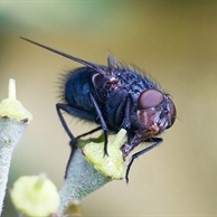
Flies are commonly found around kitchens, drains, bins, food preparation areas, toilets, animal waste, compost areas, restaurants, cafés, pubs, care homes, factories, food production sites and waste handling areas.
Different fly species are associated with different sources. House flies are often linked to waste and food residues. Fruit flies are associated with fermenting liquids, fruit, bar areas and drains. Drain flies are commonly found around wet organic matter in drains and pipework.
Seasonal relevance
Fly activity is usually higher in warmer months, especially spring and summer. However, indoor fly issues can occur all year in heated commercial environments, food businesses and poorly maintained drainage systems.
Conditions they thrive in
Flies thrive where there is food waste, moisture, decaying organic matter, dirty drains, open bins, spillages, poor cleaning regimes and access through open doors or windows.
How professional pest management helps
Professional fly management focuses on identifying the breeding source, not just killing adult flies. Treatment may include drain cleaning recommendations, fly screens, electric fly killers, residual treatments, baiting, waste control and hygiene improvements. In commercial food environments, fly control should form part of an integrated pest management plan.
Cockroaches
Where they are typically found
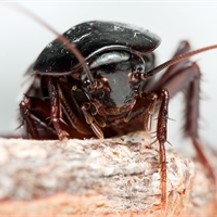
Cockroaches are commonly found in warm, humid and food-rich environments. Typical locations include commercial kitchens, restaurants, takeaways, bakeries, food factories, hotels, hospitals, care homes, apartment blocks, boiler rooms, basements, bin areas and service ducts.
They hide in cracks, behind appliances, under sinks, inside cupboards, around pipework and within wall voids.
Seasonal relevance
Cockroaches can be active all year round indoors, particularly in heated buildings. Infestations may become more noticeable when populations grow or when food and water sources are easily available.
Conditions they thrive in
Cockroaches thrive in warmth, moisture, darkness and poor hygiene conditions. Grease build-up, food debris, leaking pipes, clutter, cardboard storage, poor waste control and hidden voids provide ideal harbourage.
How professional pest management helps
Professional cockroach control includes species identification, survey work, monitoring, targeted baiting, residual insecticide use where appropriate, hygiene recommendations and follow-up visits. Control usually requires persistence because cockroaches hide deeply and reproduce quickly. Good housekeeping, sealing cracks and removing food and water sources are central to long-term prevention.
Moles
Where they are typically found
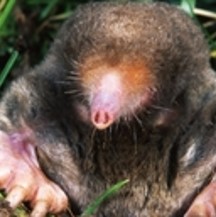
Moles are usually found in lawns, gardens, paddocks, parks, sports fields, golf courses, school grounds, estates, farms and landscaped commercial grounds. Their activity is usually identified by molehills and raised tunnel lines.
Seasonal relevance
Moles can be active all year, but surface activity is often more noticeable during wetter periods when soil is easier to tunnel through and earthworms are active. Spring and autumn can be particularly noticeable periods for molehills.
Conditions they thrive in
Moles thrive in soil rich in earthworms and insects. Well-watered lawns, fertile gardens, paddocks and undisturbed ground can all support mole activity. They are not attracted to food waste or buildings but to suitable soil and prey conditions.
How professional pest management helps
Professional mole control is usually needed because effective control requires correct tunnel identification and careful placement of control methods. BPCA notes that professional methods can include tunnel trapping, gassing using aluminium phosphide, and in some cases shooting, depending on the site and circumstances.
Prevention is difficult because moles are driven by soil conditions, but professional monitoring and early intervention can reduce damage to lawns, sports surfaces and landscaped areas.

Squirrels
Where they are typically found
Grey squirrels are commonly found in lofts, roof spaces, wall cavities, outbuildings, gardens, trees and commercial roof voids. They often enter properties through damaged soffits, fascia boards, roof tiles, vents or gaps near overhanging trees.
Seasonal relevance
Squirrel issues can occur all year, but loft activity may be more noticeable during nesting periods and colder months when roof spaces provide shelter.
Conditions they thrive in
Squirrels thrive where buildings provide access to warm, dry nesting spaces and nearby trees provide easy roof access. Overhanging branches, damaged rooflines, gaps in fascia boards and stacked materials against walls can increase risk.
How professional pest management helps
Professional squirrel control starts with confirming access points and assessing damage. BPCA recommends trimming tree branches that overhang roofs, removing stacked materials from the side of buildings and sealing entry points as part of prevention.
Professionals can remove squirrels safely and advise on proofing to prevent re-entry. This is especially important because squirrels can damage insulation, timber, wiring and stored items.

Birds
Where they are typically found
Bird pest issues are usually linked to pigeons, gulls and other urban birds. They are commonly found on roofs, ledges, gutters, solar panels, signs, loading bays, warehouses, food premises, balconies, car parks, stations, shopping areas and industrial buildings.
Bird fouling can create hygiene problems, slip hazards, blocked gutters, building staining and reputational issues for commercial premises.
Seasonal relevance
Bird activity occurs all year, but nesting season is especially important. Nesting birds require careful legal consideration, and bird proofing is often best planned before nesting becomes established.
Conditions they thrive in
Birds thrive where there are sheltered roosting or nesting points, access to food waste, nearby feeding opportunities, open bins, flat roof spaces, ledges and areas with low disturbance.
How professional pest management helps
Professional bird management normally focuses on prevention and exclusion rather than simple removal. Methods may include netting, spikes, post-and-wire systems, solar panel proofing, ledge protection, cleaning and fouling removal.
Bird control is legally sensitive. GOV.UK states that a licence from Natural England is required if you need to control wild birds by killing, taking or disturbing them, unless the action is covered by the appropriate licence framework. Acting outside the legal requirements can result in an unlimited fine and up to six months in prison.
For this reason, bird work should always be assessed by trained professionals who understand licensing, welfare, nesting restrictions and non-lethal proofing options.
Silverfish
Where they are typically found
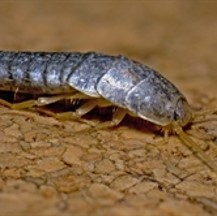
Silverfish are commonly found in bathrooms, kitchens, utility rooms, basements, airing cupboards, lofts, laundry areas, storage rooms and anywhere with high humidity. In commercial settings, they may appear in hotels, apartment blocks, offices, archives, libraries and older buildings.
Seasonal relevance
Silverfish can be present all year indoors. Activity may become more noticeable during damp periods, in poorly ventilated rooms or where moisture problems develop.
Conditions they thrive in
Silverfish thrive in damp, humid, dark environments. They are often linked to condensation, leaking pipes, poor ventilation, wet rooms, damp plaster, stored paper, cardboard, books and fabrics.
How professional pest management helps
Professional silverfish control involves identifying moisture sources, harbourage areas and infestation spread. BPCA advises that common silverfish can often be controlled by improving humidity, increasing ventilation or repairing dripping water fittings. However, grey silverfish may survive in normal humidity and larger infestations may require professional control.
Prevention includes fixing leaks, improving airflow, reducing condensation, removing damp cardboard and sealing cracks or gaps where insects hide.
Ready to make your site audit-proof?
Whether you’re preparing for a first BRCGS audit, recovering from a non-conformance, or just need a reliable commercial pest control partner across Yorkshire and the North, Shield Pest Management is here to help.
Most calls are answered by the same people who’ll be managing your site.