
Bed Bugs – Myths and Truth
In recent years, the mention of bed bugs has sent shivers down the spines of many Britons. These tiny, blood-sucking insects have been the subject of countless news reports, urban legends, and anxious conversations. But what’s the real story behind these nocturnal nuisances? How much of what we hear about bed bugs is fact, and how much is fiction?
If bed bugs are already a problem at your premises, see Shield’s bed bug treatment service.
Key Takeaways
- Bed bugs are small, parasitic insects that feed on human blood and can infest even clean homes.
- These pests spread easily through travel and second-hand items but do not transmit diseases.
- Early detection of infestations is crucial, with signs including rust-coloured stains and itchy bites.
- Prevention involves careful inspection when travelling and of second-hand furniture.
- Professional pest control is often necessary, with treatments including heat and specialised insecticides.
- Bed bug infestations can have significant psychological and economic impacts.
Understanding Bed Bugs
What are bed bugs?
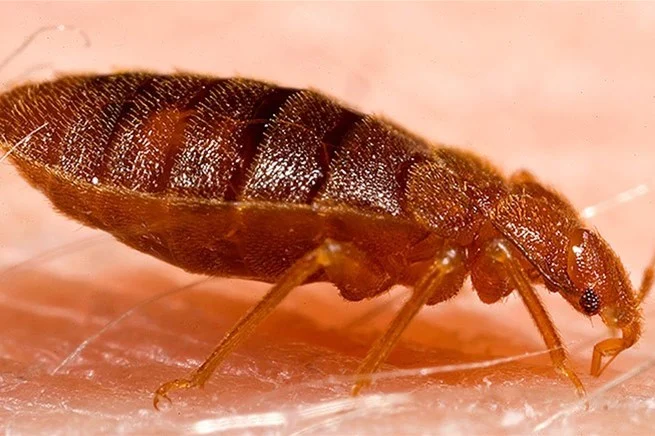
Bed bugs, scientifically known as Cimex lectularius, are small, parasitic insects that feed on the blood of humans and other warm-blooded animals. Adults are about the size of an apple seed, with a reddish-brown colour and oval-shaped, flattened bodies. Despite their name, bed bugs aren’t confined to beds; they can inhabit various areas where people rest or sleep.
The life cycle of bed bugs
Bed bugs go through several stages in their life cycle, from egg to nymph to adult. Female bed bugs can lay hundreds of eggs in their lifetime, each about the size of a speck of dust. These eggs hatch into nymphs, which must feed on blood to molt and grow into adults. This process typically takes about a month, depending on environmental conditions and food availability.
Bed Bug Myths Debunked
Myth: Bed bugs only infest dirty homes
One of the most persistent myths about bed bugs is that they only inhabit unsanitary environments. This couldn’t be further from the truth. Bed bugs are not attracted to dirt or decay; they are drawn to warmth, blood, and carbon dioxide. As such, even the cleanest, most well-maintained homes can fall victim to a bed bug infestation.
Myth: Bed bugs transmit diseases
While bed bugs are certainly a nuisance, there is no scientific evidence to suggest that they transmit diseases to humans. Their bites can cause itching, allergic reactions, and secondary infections from scratching, but they are not known to be vectors for any specific diseases. However, severe infestations can lead to anaemia in rare cases, particularly in children or the elderly.
The Truth About Bed Bug Infestations
How bed bugs spread
Bed bugs are expert hitchhikers, able to travel long distances by clinging to luggage, clothing, and furniture. They can easily move from one room to another in multi-unit buildings, such as blocks of flats or hotels. International travel has contributed significantly to the spread of bed bugs, as they can stow away in suitcases and be transported across continents.
Signs of a bed bug infestation
Identifying a bed bug infestation early is crucial for effective treatment. Common signs include:
- Small, rust-coloured stains on mattresses or sheets (bed bug excrement)
- Tiny, pale yellow eggs or eggshells
- Live bed bugs in the folds of mattresses or furniture
- A sweet, musty odour in heavily infested areas
- Itchy, red bites on the skin, often in a line or cluster
Prevention and Control
Preventing bed bug infestations
While it’s impossible to guarantee complete prevention, there are steps you can take to reduce the risk of bed bug infestations:
- Inspect second-hand furniture thoroughly before bringing it into your home
- Use protective covers on mattresses and box springs
- Be cautious when travelling, inspecting hotel rooms and keeping luggage off the floor
- Vacuum frequently, especially around beds and furniture
Professional bed bug control
When faced with a bed bug infestation, professional pest control is often the most effective solution. Pest control experts have access to specialised treatments and equipment that can effectively eliminate bed bugs. These may include heat treatments, which raise the temperature of infested areas to levels lethal to bed bugs, or carefully applied insecticides designed to target bed bugs while minimising risks to humans and pets.
The Impact of Bed Bugs
Psychological effects
The presence of bed bugs can have significant psychological impacts on those affected. Many people report increased anxiety, insomnia, and even symptoms of post-traumatic stress disorder after dealing with bed bug infestations. The stigma associated with bed bugs can also lead to social isolation and embarrassment.
Economic consequences
Bed bug infestations can have substantial economic consequences. The cost of professional pest control, replacing infested furniture, and lost work days can add up quickly. For businesses in the hospitality industry, the reputational damage from bed bug incidents can be particularly severe, leading to lost bookings and negative reviews.
Future Outlook on Bed Bug Control
Emerging technologies
Researchers are continually developing new methods to detect and control bed bugs. Some promising technologies include:
- Specially trained bed bug detection dogs
- Advanced monitoring devices that can detect bed bug pheromones
- Novel biological control methods, such as fungal pathogens that target bed bugs
The importance of public awareness
Educating the public about bed bugs is crucial for effective prevention and control. By dispelling myths and providing accurate information, we can reduce the stigma associated with bed bug infestations and encourage early reporting and treatment.
Conclusion
Bed bugs remain a persistent problem in the UK and around the world. While they don’t pose direct health risks through disease transmission, their impact on mental health and quality of life can be significant. By understanding the truth about bed bugs – how they spread, how to identify them, and how to prevent and control infestations – we can better protect ourselves and our communities from these persistent pests. As we continue to develop new technologies and strategies for bed bug control, public awareness and prompt action will be key to keeping these nocturnal nuisances at bay.
Frequently Asked Questions
How long can bed bugs survive without feeding?
Bed bugs can survive for an impressively long time without feeding. Under optimal conditions, they can live for 6 to 12 months without a blood meal. In cooler temperatures, they can survive even longer, potentially up to a year or more. This resilience makes eradication challenging and highlights the importance of thorough, professional treatment.
Can bed bugs be seen with the naked eye?
Yes, adult bed bugs are visible to the naked eye. They are about the size of an apple seed, typically 4-5mm long. Their reddish-brown colour and oval shape make them distinguishable when you know what to look for. However, their eggs and newly hatched nymphs are much smaller, about 1mm in length, and can be difficult to spot without magnification.
What temperature kills bed bugs?
Bed bugs are sensitive to extreme temperatures. They die when exposed to heat above 50°C (122°F) for an extended period. Professional heat treatments typically raise room temperatures to around 56°C (133°F) for several hours to ensure all bed bugs and eggs are eliminated. Conversely, freezing temperatures below -17°C (0°F) maintained for at least four days can also kill bed bugs, though this method is less commonly used in professional treatments.
Are bed bug bites dangerous?
While bed bug bites are not typically dangerous in terms of disease transmission, they can cause discomfort and other issues. The bites often result in itchy, red welts on the skin, which can lead to secondary infections if scratched excessively. Some people may experience allergic reactions to bed bug bites, ranging from mild to severe. In rare cases, particularly with severe infestations, bed bug bites can lead to anaemia, especially in young children or the elderly.
How quickly do bed bugs reproduce?
Bed bugs can reproduce at an alarming rate under favourable conditions. A female bed bug can lay 1-7 eggs per day and up to 500 eggs in her lifetime. The eggs hatch in about 6-10 days, and the nymphs that emerge can reach adulthood in as little as 21 days, given adequate food and optimal temperatures. This rapid reproduction cycle means that a small infestation can quickly become a significant problem if not addressed promptly, underscoring the importance of early detection and professional intervention.