
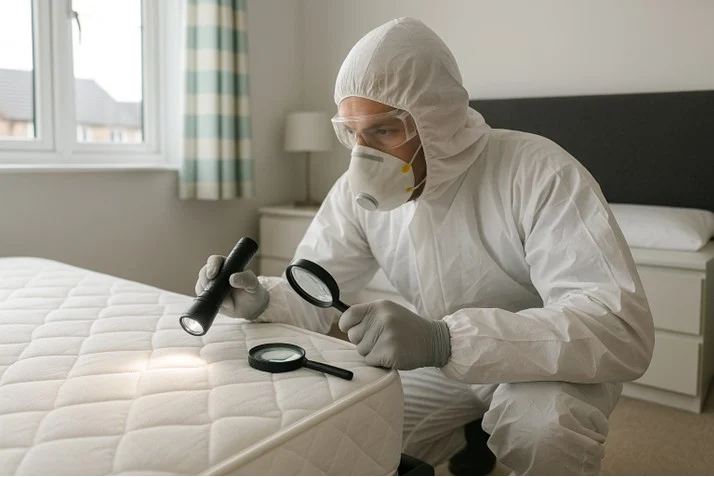
Bed Bug Pest Control.
Bed bug infestations have become increasingly common across the UK, affecting households from London flats to Yorkshire homes. These persistent parasites can cause significant distress and health concerns for families. However, effective bed bug pest control methods can successfully eliminate these unwelcome visitors and restore peace of mind to your home.
Professional bed bug pest control requires a comprehensive approach that combines identification, treatment, and prevention strategies. Moreover, understanding the signs of infestation and implementing proper control measures can save homeowners both time and money. What specific steps can you take to protect your home from these resilient pests?
Related: bed bug treatment.
Key Takeaways
- Professional bed bug pest control combines identification, treatment, and prevention for comprehensive protection
- Heat-based treatments provide effective, chemical-free elimination of bugs and eggs
- Multiple treatment approaches may be necessary for complete eradication
- Environmental modifications support traditional bed bug pest control methods
- Travel precautions prevent introduction of infestations from external sources
- Ongoing monitoring ensures early detection of any resurgence
Identifying Bed Bug Infestations
Recognising the Physical Signs
Bed bug pest control begins with accurate identification of these small, reddish-brown insects. Furthermore, they measure approximately 4-5mm in length and possess flat, oval-shaped bodies resembling apple seeds. Additionally, these nocturnal creatures cannot fly but move quickly across surfaces, making detection challenging without proper knowledge.
Detecting Infestation Evidence
Nevertheless, several telltale signs indicate bed bug presence in your home. Small red welts appearing in clusters on exposed skin often suggest bed bug activity. Likewise, dark spots on bedding, mattresses, or furniture indicate digested blood deposits. Moreover, tiny white eggs or shed skins in mattress seams and crevices confirm active infestations requiring immediate bed bug pest control intervention.
Effective Treatment Methods
Heat-Based Elimination Techniques
Professional bed bug pest control frequently employs heat treatment as the most effective elimination method. Consequently, washing infested bedding and clothing at minimum 60°C temperatures kills both bugs and eggs. Similarly, tumble drying items on high heat settings for at least 30 minutes ensures complete eradication. Therefore, this approach provides chemical-free bed bug pest control suitable for sensitive households.
Chemical Treatment Options
Meanwhile, targeted chemical treatments offer another effective bed bug pest control solution. Professional technicians use approved insecticides specifically designed for bed bug elimination. However, proper application requires expert knowledge to ensure safety and effectiveness. Subsequently, multiple treatments may be necessary to address newly hatched eggs and ensure complete eradication.
Professional vs DIY Approaches
When to Contact Specialists
Severe infestations typically require professional bed bug pest control services for successful elimination. Furthermore, multi-room infestations or repeated treatment failures indicate the need for expert intervention. Additionally, professional services provide guaranteed results and comprehensive follow-up inspections. Therefore, specialist knowledge ensures proper identification and treatment of all affected areas.
DIY Prevention Strategies
Nonetheless, homeowners can implement several preventive measures to support bed bug pest control efforts. Regular inspection of sleeping areas helps detect early infestations before they spread. Similarly, mattress encasements create protective barriers preventing bug access. Moreover, maintaining clutter-free bedrooms reduces hiding spots and facilitates effective treatment.
Environmental Factors and Prevention
Creating Unfavourable Conditions
Effective bed bug pest control involves manipulating environmental conditions to discourage infestations. Consequently, reducing indoor humidity below 40% using dehumidifiers makes conditions less suitable for reproduction. Additionally, increasing light exposure in affected areas disrupts their nocturnal activity patterns. Therefore, environmental modifications complement traditional treatment methods.
Travel and Second-Hand Precautions
Moreover, preventing infestations requires vigilance when travelling or purchasing used furniture. Inspecting hotel rooms for signs of bed bugs before unpacking prevents bringing them home. Similarly, thoroughly examining second-hand furniture before purchase protects against introducing infestations. Subsequently, these preventive measures form essential components of comprehensive bed bug pest control strategies.
Long-Term Management Strategies
Monitoring and Maintenance
Successful bed bug pest control extends beyond initial treatment to include ongoing monitoring systems. Regular inspections of sleeping areas help detect any resurgence early. Furthermore, interceptor traps placed under bed legs capture any attempting to reach sleeping surfaces. Additionally, maintaining these monitoring systems provides peace of mind and early warning capabilities.
Building Integrated Defences
Subsequently, comprehensive bed bug pest control involves creating multiple defensive barriers throughout the home. Sealing cracks around skirting boards eliminates hiding spots and travel routes. Likewise, proper storage of clothing and linens in sealed containers prevents spread. Therefore, integrated approaches provide the most reliable protection against future infestations.
Conclusion
Effective bed bug pest control requires a systematic approach combining accurate identification, appropriate treatment methods, and ongoing prevention strategies. Professional services offer the expertise and resources necessary for complete elimination, whilst homeowners can implement supportive measures to prevent reinfestation.
Understanding the comprehensive nature of bed bug pest control helps homeowners make informed decisions about treatment options. Therefore, combining professional expertise with diligent prevention measures provides the most reliable protection against these persistent pests and ensures long-term peace of mind.
Frequently Asked Questions
How quickly can bed bug infestations spread throughout a home?
Bed bug pest control becomes increasingly challenging as infestations spread rapidly throughout homes. These insects typically move between rooms within days, especially in multi-occupancy buildings where they can travel through wall cavities and electrical outlets. Furthermore, a single female bed bug can lay up to 500 eggs during her lifetime, creating exponential population growth.
Early intervention with professional bed bug pest control services prevents widespread infestations that require extensive treatment. Moreover, prompt action significantly reduces treatment costs and minimises disruption to household routines whilst ensuring complete elimination.
What temperature is required to effectively kill bed bugs during heat treatment?
Professional bed bug pest control heat treatments require sustained temperatures above 45°C to achieve complete elimination. However, washing machines should reach minimum 60°C temperatures to ensure both adult bugs and eggs are destroyed. Additionally, tumble dryers operating at high heat settings for 30 minutes provide effective supplementary treatment.
Professional heat treatments often raise room temperatures to 50-60°C for several hours, ensuring penetration into all hiding spots. Consequently, this method offers chemical-free bed bug pest control suitable for sensitive individuals whilst providing guaranteed results.
How long do bed bugs survive without feeding on human blood?
Bed bug pest control planning must account for their remarkable survival capabilities without blood meals. Adult bed bugs can survive 6-12 months without feeding, whilst nymphs typically survive several weeks depending on environmental conditions. Furthermore, cooler temperatures extend their survival periods significantly.
This longevity explains why comprehensive bed bug pest control requires multiple treatments and ongoing monitoring. Therefore, professional services schedule follow-up inspections to address any survivors and newly hatched eggs ensuring complete eradication.
Can bed bug infestations cause serious health problems for residents?
Whilst bed bugs don’t transmit diseases, effective bed bug pest control remains essential for health and wellbeing. Their bites can cause allergic reactions, secondary infections from scratching, and significant psychological distress. Additionally, severe infestations may lead to anaemia in vulnerable individuals through repeated blood loss.
Professional bed bug pest control services prioritise rapid elimination to minimise health impacts. Moreover, comprehensive treatment approaches address both the physical infestation and provide guidance for managing bite symptoms and preventing complications.
What should homeowners do immediately upon discovering bed bug evidence?
Immediate bed bug pest control actions can prevent minor infestations from becoming major problems. Homeowners should avoid moving bedding or furniture to prevent spreading bugs to unaffected areas. Furthermore, washing suspected items at high temperatures and sealing others in plastic bags helps contain the infestation.
Professional bed bug pest control services should be contacted immediately for accurate identification and treatment planning. Subsequently, expert assessment ensures appropriate treatment selection whilst preventing costly mistakes that could worsen the situation.